
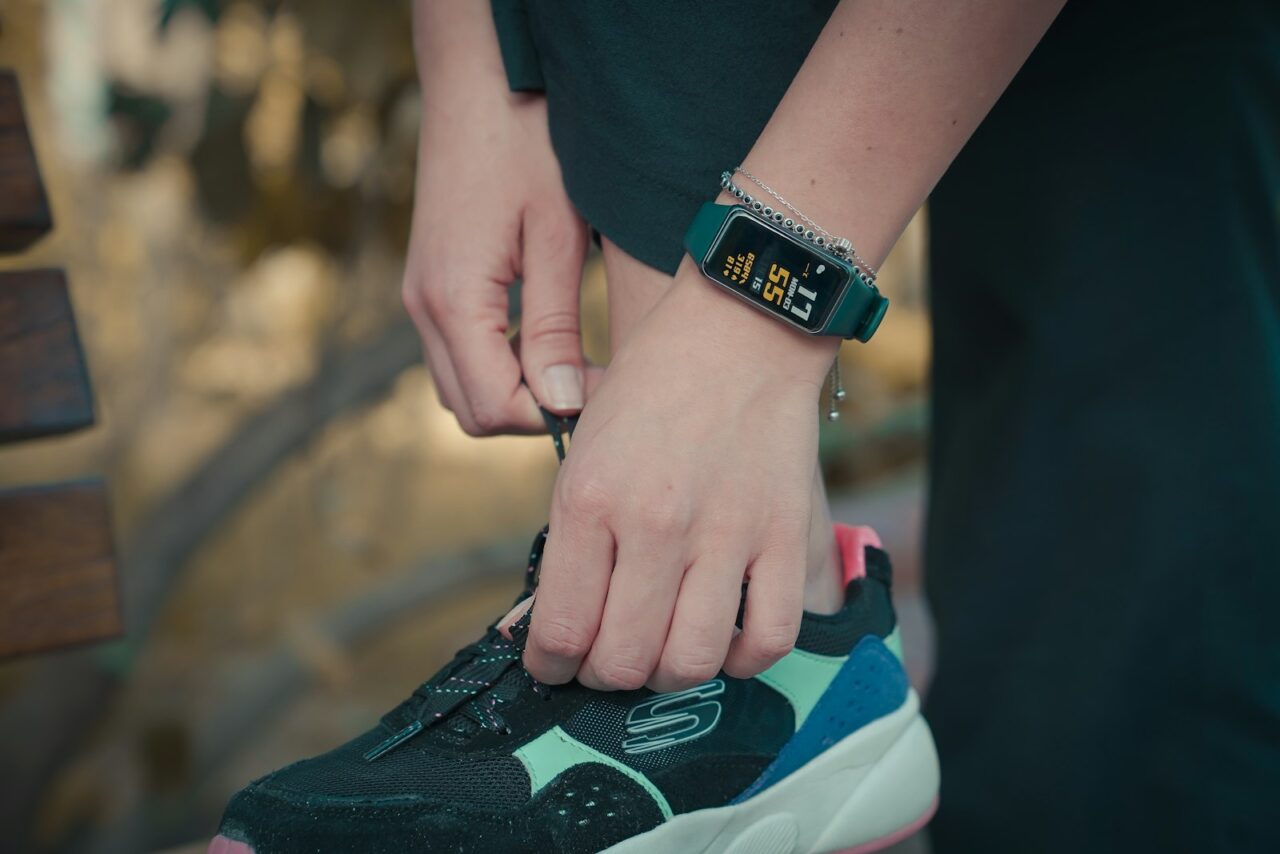
Wearable devices and health apps have moved from niche gadgets to everyday tools for millions of people. Used thoughtfully, they can turn vague goals like “move more” or “sleep better” into clear, trackable habits. For the bigger picture, see our guide to simple daily health routines.
What Wearables and Health Apps Actually Do
Most wearables, such as smartwatches, fitness bands, and smart rings, use sensors to estimate your activity, heart rate, and sleep. Health apps then turn that raw data into summaries, trends, and reminders.
It is important to understand that consumer wearables provide estimates rather than clinical measurements. They are excellent for spotting patterns over time, but they are not a substitute for medical devices or professional diagnosis.
Common Features and How They Help
| Feature | What It Tracks | Habit It Supports |
|---|---|---|
| Step and activity tracking | Steps, active minutes, movement | Moving more throughout the day |
| Heart rate monitoring | Resting and exercise heart rate | Pacing workouts, noticing trends |
| Sleep tracking | Estimated sleep duration and consistency | Regular bedtimes and wind-down routines |
| Inactivity reminders | Long periods of sitting | Breaking up sedentary time |
| Guided breathing | Short relaxation sessions | Managing everyday stress |
How Technology Supports Healthy Routines
1. Making invisible habits visible
Many of us overestimate how active we are or how much we sleep. Seeing real numbers, even approximate ones, creates awareness, which is the first step toward change.
2. Gentle nudges at the right moment
A buzz on your wrist after an hour of sitting is a simple but effective prompt. Reminders to drink water, stand up, or start winding down for bed help turn intentions into action.
3. Progress you can see
Streaks, weekly summaries, and trend graphs make progress tangible. Watching your average daily steps rise over a month can be more motivating than any single workout. Daily dog walks are an easy way to boost that number, as our guide for new dog and cat owners explains.
4. Personalized goals
Many apps adjust targets based on your history. Instead of a one-size-fits-all number, you get goals that are challenging but realistic for you.
Choosing the Right Tool for Your Goals
You do not need the most expensive device to benefit. Start by deciding what you actually want to improve. Your phone matters too, so see our tips on choosing a budget smartphone if you need an upgrade.
- For general activity: A basic fitness band or your smartphone’s built-in step counter may be enough.
- For running or cycling: Look for built-in GPS and reliable heart rate tracking.
- For sleep: A comfortable band or smart ring that you will actually wear overnight is key.
- For nutrition or mindfulness: A dedicated app may matter more than the hardware.
Also check battery life, comfort, compatibility with your phone, and whether key features require a paid subscription. For reviews of the latest gadgets, our technology section covers new releases regularly.
Tips for Using Wearables Wisely
- Focus on trends, not single days. One poor sleep score is not a problem; a pattern over several weeks is worth noticing.
- Pick one or two goals at a time. Trying to optimize every metric at once quickly becomes overwhelming.
- Listen to your body. If you feel rested but your tracker says otherwise, your own experience still counts.
- Review your privacy settings. Health data is personal. Check what your app collects, how it is stored, and whether it is shared with third parties.
- Take breaks if it causes stress. Some people become anxious about their numbers. If tracking stops feeling helpful, step back.
Understanding the Limits
Wearables are improving every year, but accuracy varies by device, fit, skin contact, and activity type. Sleep stages and calorie burn in particular are estimates that can differ noticeably from lab measurements.
Some devices offer features like irregular rhythm notifications or blood oxygen readings. These can prompt useful conversations, but an alert is not a diagnosis, and a normal reading does not rule out a problem. If you notice symptoms or receive a concerning alert, consult a qualified healthcare professional rather than relying on the device alone.
Sharing Data With Your Doctor
Long-term trends in resting heart rate, activity, or sleep can sometimes give useful context during appointments. Many apps let you export summaries, which can be easier to discuss than relying on memory. They pair well with the screenings in our age-by-age women’s health checkups guide.
Ask your provider whether this information is helpful for your situation. For more practical wellness content, browse our health articles or catch up on everything new at TechMeshNews.com.
Final Thoughts
Wearable tech and health apps work best as supportive coaches, not strict judges. Use them to build awareness, set realistic goals, and celebrate steady progress.
The real change still comes from you: walking a little more, going to bed a little earlier, and taking a moment to breathe when the day gets busy.
Frequently Asked Questions
Are fitness trackers accurate?
They are generally good at tracking steps and trends over time, but measurements such as calories burned and sleep stages are estimates. Use them for direction rather than precision.
Do I need a smartwatch to use health apps?
No. Many smartphones track steps on their own, and plenty of apps for nutrition, meditation, or workouts work without any wearable device.
Is it safe to share my health data with apps?
It depends on the app. Read the privacy policy, limit permissions to what you need, and choose providers that clearly explain how your data is stored and used.








