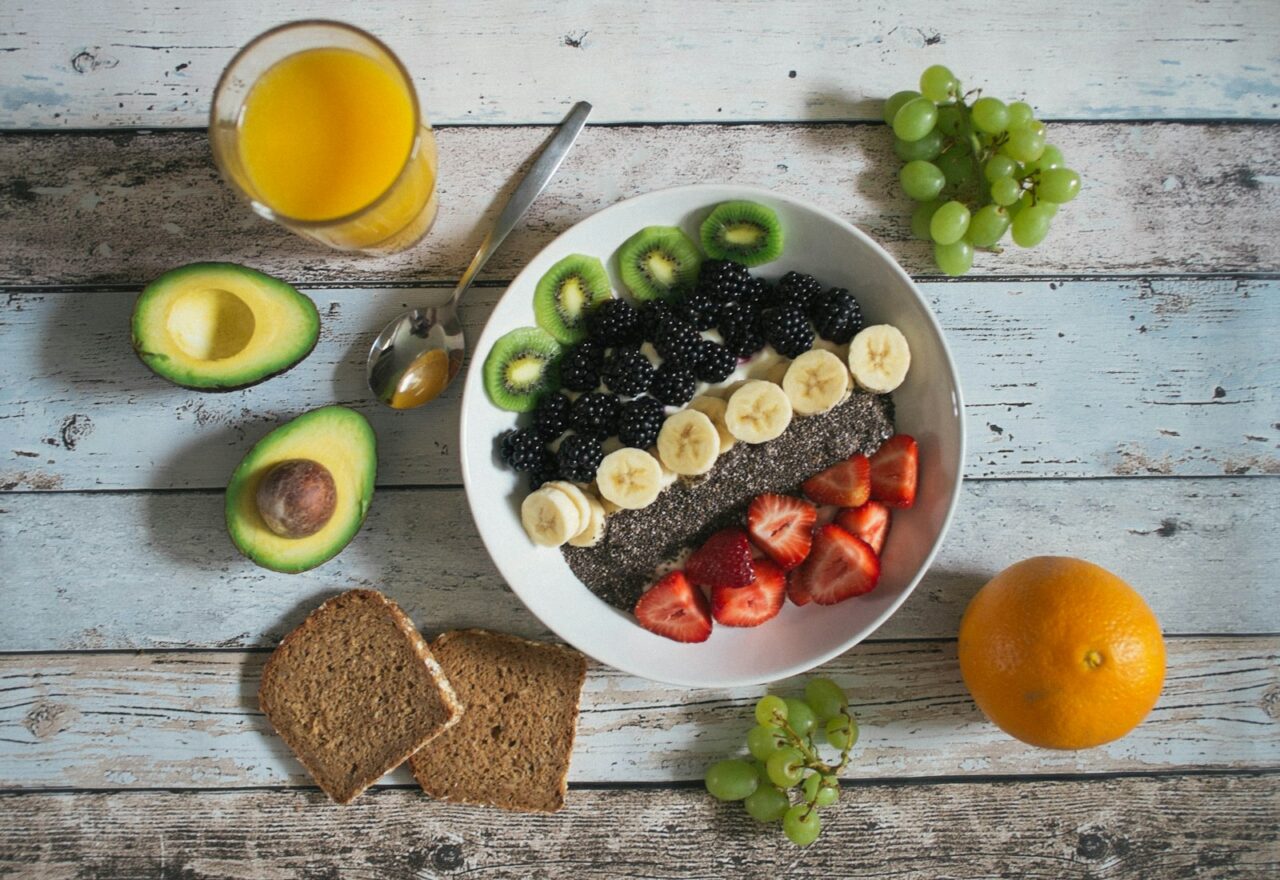
Better health rarely comes from dramatic overhauls. It usually comes from small, repeatable routines around movement, food, sleep, stress and prevention that you can keep up on ordinary busy days. This guide brings those everyday healthy habits together in one place, with practical steps for building routines that actually stick.
Key Takeaways
- Consistency beats intensity: small daily habits add up more reliably than occasional bursts of effort.
- Movement, balanced eating, sleep, stress management and preventive care all support one another.
- Attach new habits to routines you already have, and start smaller than you think you need to.
- Technology such as wearables can help with motivation, but it provides estimates, not diagnoses.
- Regular checkups and screenings are part of a healthy routine, not a separate task.
This guide offers general educational information only and is not medical advice. For guidance about your own health, especially if you have a medical condition, take medication or are pregnant, please speak with a qualified healthcare professional.
Why Small Daily Habits Work
Habits are behaviours that become more automatic through repetition in a consistent context. Once a routine is established, it takes less willpower to maintain, which is why simple daily actions often outlast ambitious resolutions.
Many people fail not because they lack motivation but because they start too big. Walking for ten minutes after lunch is far more sustainable than a punishing workout plan you abandon in week two. The aim is to make the healthy choice the easy, default choice.
The habit loop in plain terms
A useful way to think about habits is cue, routine and reward. A cue triggers the behaviour, the routine is the action itself, and the reward makes you want to repeat it. Designing all three deliberately makes new habits much more likely to stick.
Move More, in Ways You Enjoy
Regular physical activity is one of the most widely recommended habits for overall wellbeing. Major public health bodies such as the World Health Organization generally advise adults to aim for around 150 minutes of moderate activity per week, plus muscle-strengthening activities on two or more days. Any amount is better than none, and needs vary by age and health status.
Practical ways to fit movement in
- Take a brisk walk after one meal each day.
- Use stairs where it is safe and practical.
- Do simple bodyweight exercises, such as squats or wall push-ups, while the kettle boils.
- Schedule active social time, like walking with a friend instead of meeting for coffee.
- Stand up and stretch at least once an hour during desk work.
Choose activities you genuinely like. Dancing, gardening, cycling and swimming all count, and enjoyment is one of the strongest predictors of whether you keep going.
Starting safely
If you have been inactive for a while, build up gradually rather than jumping straight into intense sessions. Increase duration before intensity, warm up gently and listen to your body. Sharp pain, dizziness or chest discomfort are signs to stop and seek medical advice.
Eat for Steady Energy
Healthy eating does not require strict rules or expensive specialty products. Mainstream nutrition guidance consistently emphasises plenty of vegetables, fruits, whole grains, legumes and other minimally processed foods, while limiting added sugars, excess salt and highly processed snacks.
Simple eating habits to try
- Fill roughly half your plate with vegetables or fruit at most meals.
- Keep water within reach and drink regularly throughout the day.
- Plan a few weeknight meals ahead so takeaway is not the default.
- Keep convenient healthy snacks, such as fruit or nuts, easy to reach.
- Eat slowly and notice when you are comfortably full.
Planning is often the missing piece. Our collection of easy weeknight meal prep ideas shows how a little weekend preparation can make balanced meals far easier during busy weeks.
Reading labels without obsessing
Nutrition labels can help you compare similar products, particularly for added sugar, salt and fibre. You do not need to analyse every item you buy, though. A practical approach is to check labels for foods you eat often and let simple, whole ingredients make up most of your shopping basket.
Protect Your Sleep
Sleep affects mood, concentration, appetite and long-term health. The Centers for Disease Control and Prevention notes that most adults need at least seven hours per night, although individual needs vary.
Habits that support better rest
- Keep a consistent sleep and wake time, including at weekends where possible.
- Create a short wind-down routine, such as reading or light stretching.
- Keep the bedroom cool, dark and quiet.
- Limit caffeine later in the day and avoid heavy meals close to bedtime.
- Put screens away a while before sleep.
Late-night scrolling is a common sleep thief. Our guide to digital wellbeing and managing screen time offers practical ways to set boundaries with your devices. If you regularly struggle to sleep or feel exhausted despite enough rest, it is worth discussing with a doctor.
Daily Self-Care Basics You Should Not Skip
Some of the most effective health habits are also the least glamorous. Hygiene, hydration and small preventive routines quietly protect your health every day.
Oral health
Brushing twice a day with fluoride toothpaste and cleaning between your teeth daily are widely recommended by dental organisations. Oral health is closely connected to overall wellbeing, and problems are easier to prevent than to fix. Our article on daily dental care habits that actually work covers technique, tools and common mistakes.
Hand hygiene and sun protection
Washing hands with soap and water, especially before eating and after using the bathroom, is one of the simplest ways to reduce the spread of common infections. Using sun protection when outdoors helps protect your skin over the long term.
Mind your stress
Ongoing stress can affect sleep, digestion and mood. Short daily practices such as a few minutes of slow breathing, a walk outside, journalling or talking with someone you trust can help. If stress, low mood or anxiety feel persistent or overwhelming, reach out to a healthcare professional or a mental health service.
Comparing Habit Areas at a Glance
It can help to see where small changes may give you the most benefit for the least effort. The table below summarises common habit areas and realistic starting points.
| Habit area | Easy starting step | Typical time needed | Common obstacle | Helpful workaround |
|---|---|---|---|---|
| Movement | 10-minute walk after a meal | 10 minutes a day | Lack of time | Break activity into short chunks |
| Nutrition | Add one vegetable to each dinner | A few minutes of planning | Tiredness at night | Prep ingredients at the weekend |
| Sleep | Fixed wake-up time | No extra time | Late-night screens | Charge phone outside the bedroom |
| Oral care | Clean between teeth daily | 2 to 3 minutes | Forgetting | Pair it with brushing at night |
| Stress | Two minutes of slow breathing | 2 to 5 minutes | Feeling too busy | Link it to a daily cue like lunch |
| Preventive care | Book your next checkup | One short call or online booking | Putting it off | Set an annual calendar reminder |
Prevention: Checkups and Screenings
Preventive care catches problems early, often before symptoms appear. Regular checkups can include blood pressure checks, recommended screenings, vaccinations and conversations about family history and lifestyle.
Which screenings you need depends on your age, sex, personal history and where you live, as guidelines differ between countries and change over time. Our guide to women’s health checkups by age gives a decade-by-decade overview that can help you prepare questions for your doctor.
Making appointments more useful
- Write down questions and any symptoms before you go.
- Bring a list of medications and supplements you take.
- Know your family health history as best you can.
- Ask what screenings are due and when to return.
Using Technology Without Letting It Run Your Life
Fitness trackers, smartwatches and health apps can make habits visible, offer gentle reminders and reveal trends in sleep or activity. For many people, seeing progress is genuinely motivating.
However, consumer wearables provide estimates rather than clinical measurements, and constant tracking can become stressful for some people. Use the data to notice patterns, not to judge yourself day by day. Our article on how wearable tech and health apps help you build healthy habits explains features, limits and how to share useful data with your doctor.
How to Build a Routine That Sticks
Knowing what to do is the easy part; doing it consistently is harder. These steps help turn intentions into lasting routines.
- Pick one habit at a time. Trying to change everything at once usually leads to burnout.
- Make it tiny. Start with a version so small it feels almost too easy.
- Stack it. Attach the new habit to something you already do, such as stretching after brushing your teeth.
- Prepare your environment. Lay out walking shoes, keep fruit visible or charge your phone outside the bedroom.
- Track simply. A tick on a calendar can be enough to keep momentum.
- Plan for missed days. Missing once is normal; aim never to miss twice in a row.
Common mistakes to avoid
- Relying on motivation alone instead of designing an easy routine.
- Following extreme diets or exercise plans that are hard to sustain.
- Comparing your progress to others on social media.
- Ignoring warning signs and delaying medical advice.
- Treating one bad day as failure rather than a normal part of change.
Healthy routines also fit naturally into a well-organised home and everyday life. Our smart living guide to home, style, pets and everyday life offers ideas for simplifying the spaces and schedules that support your habits.
Putting It All Together
Healthy habits are built from ordinary moments: a walk after lunch, a vegetable added to dinner, a consistent bedtime and a checkup booked on time. Start with one small change, make it easy, and build from there. Progress, not perfection, is what improves wellbeing over the long run.
Explore more practical wellbeing articles in our health section, or see what else is new on TechMeshNews.com. Our health content follows the standards described in our editorial policy.
Frequently Asked Questions
How long does it take to form a new healthy habit?
It varies a lot from person to person and habit to habit. Simple habits may feel automatic within a few weeks, while more complex ones can take several months. Focusing on consistency rather than a specific deadline tends to work better.
What is the most important healthy habit to start with?
There is no single answer for everyone. Many people find that improving sleep or adding daily movement makes other habits easier, because they feel more energetic and focused. Choose the area where a small change feels most achievable for you.
Do I need a fitness tracker to build healthy habits?
No. Trackers can be motivating and useful for spotting trends, but a notebook, calendar or simple phone reminder works just as well for many people. The best tool is the one you will actually use.
When should I see a doctor instead of changing habits on my own?
Speak to a healthcare professional before making major changes if you have a medical condition, take regular medication or are pregnant. You should also seek advice promptly for persistent or worsening symptoms, unexplained weight changes, ongoing fatigue or concerns about your mental health.