
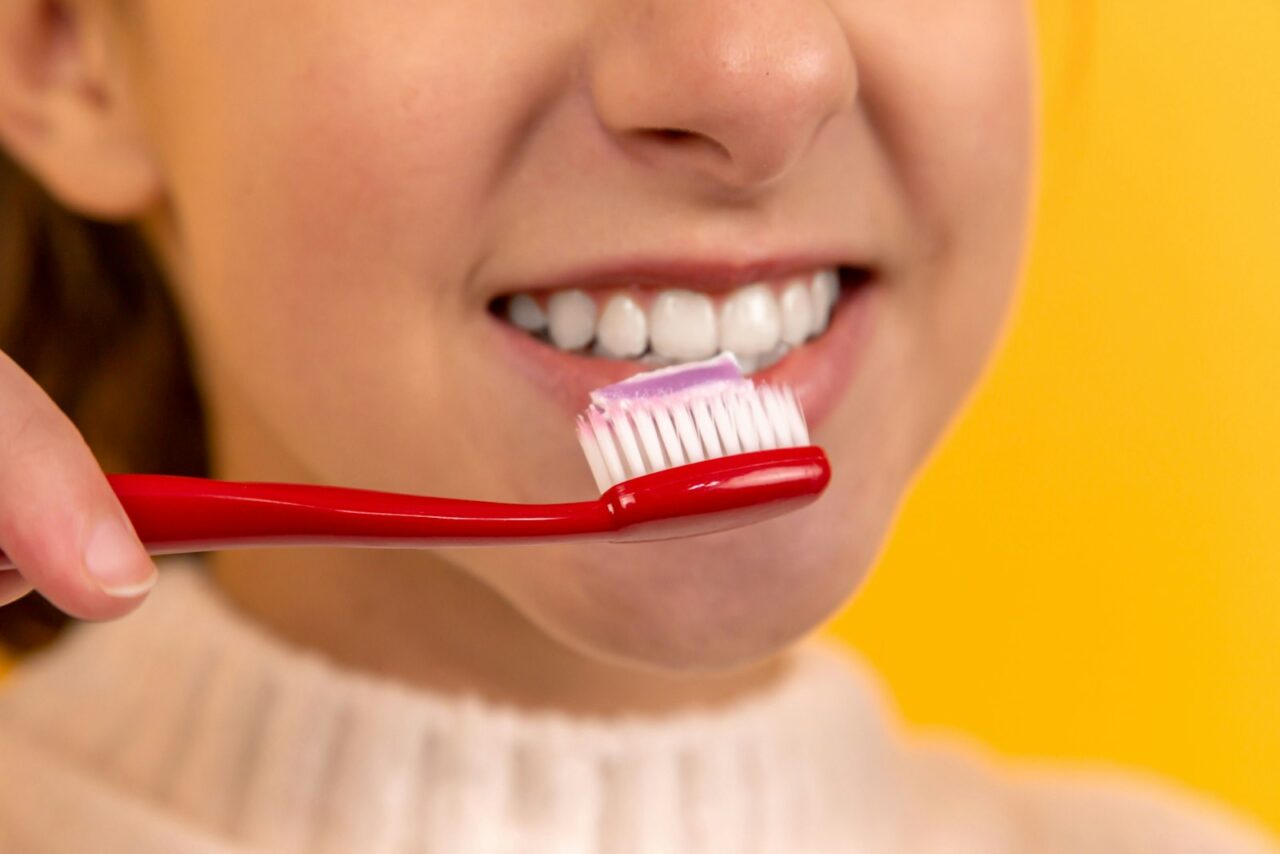
Most dental problems do not appear overnight; they build up slowly from habits we barely notice. The good news is that a few consistent daily dental care habits can do more for your smile than any expensive gadget.
Why Daily Habits Matter More Than Occasional Effort
Plaque is a sticky film of bacteria that forms on teeth constantly. If it is not removed, it can harden into tartar, irritate the gums, and contribute to cavities. That is why a short routine done every day beats an intense cleaning once a week.
Think of oral care like exercise. Consistency counts far more than intensity, and the best routine is the one you will actually follow. For more routines like this, see our healthy habits guide.
Brushing: Technique Beats Force
Mainstream dental advice is simple: brush twice a day for about two minutes using a fluoride toothpaste. Most people fall short on time, so a timer or an electric brush with a built-in timer can help.
How to brush properly
- Use a soft-bristled brush. Hard bristles and heavy pressure can wear down enamel and irritate gums.
- Angle the brush toward the gumline. Hold it at roughly 45 degrees and use gentle, short strokes or small circles.
- Cover every surface. Work through the outer, inner, and chewing surfaces of each tooth, section by section.
- Spit, do not rinse. Rinsing with water right after brushing washes away the fluoride that helps protect your enamel.
Replace your brush regularly
Swap your toothbrush or brush head every three to four months, or sooner if the bristles look frayed. Worn bristles simply do not clean as well.
Cleaning Between Teeth Every Day
A toothbrush cannot fully reach the tight spaces between teeth, which is where plaque often hides. Cleaning between your teeth once a day is widely recommended by dental professionals.
You have several options, and the right one depends on your mouth:
- String floss: Works well for tight contacts. Curve it in a C-shape around each tooth and slide gently below the gumline.
- Interdental brushes: Small brushes that suit larger gaps, braces, or bridges. Many people find them easier than floss.
- Water flossers: Helpful for people with orthodontic work or limited dexterity, though they are best used alongside other methods if your dentist suggests it.
Quick Comparison of Daily Tools
| Tool | Best For | How Often |
|---|---|---|
| Soft toothbrush + fluoride toothpaste | All tooth surfaces | Twice daily |
| Floss or interdental brush | Spaces between teeth | Once daily |
| Tongue scraper or brush | Bacteria on the tongue, fresher breath | Once daily |
| Mouthwash | Extra freshness or specific needs | As advised by your dentist |
What You Eat and Drink Matters
Sugar itself is not the only issue; how often you consume it matters just as much. Every time you snack on sugary or starchy foods, mouth bacteria produce acids that attack enamel for a while afterward. Planning meals ahead, as in our weeknight meal prep ideas, makes it easier to cut back on grazing.
- Limit grazing. Keep sweets and sugary drinks to mealtimes rather than sipping or snacking all day.
- Drink water often. Water helps rinse away food particles, and tap water in many areas contains fluoride.
- Be smart with acidic drinks. After soda, juice, or sports drinks, rinse with water and wait a while before brushing, since enamel is temporarily softer.
- Choose tooth-friendly snacks. Cheese, plain yogurt, nuts, and crunchy vegetables are gentler choices than candy or chips.
Small Habits That Make a Big Difference
Clean your tongue
The surface of the tongue holds bacteria that contribute to bad breath. A quick pass with a tongue scraper or your toothbrush each morning is an easy upgrade.
Protect your teeth
If you play contact sports, wear a mouthguard. If you wake up with jaw soreness, mention it to your dentist, since teeth grinding can be managed with a custom night guard.
Avoid tobacco
Smoking and chewing tobacco are strongly linked to gum disease, staining, and oral cancers. Quitting is one of the best things you can do for your mouth and your overall health.
Do Not Skip Professional Checkups
Even a perfect home routine cannot remove hardened tartar or spot early problems the way a dental professional can. Your dentist will suggest a checkup schedule based on your individual needs, which may be more or less frequent than twice a year. Many people book dental visits alongside other preventive care, such as the Women’s health checkups by age we outline separately.
Watch for warning signs between visits, such as bleeding gums, persistent bad breath, sensitivity, or loose teeth. For any concerns about your teeth or gums, consult a qualified dentist or healthcare professional rather than relying on online advice.
Building a Routine You Will Stick With
The easiest way to make habits last is to attach them to something you already do. Floss right after your evening brush, keep a tongue scraper next to your toothbrush, and set phone reminders for brush replacements.
For more practical wellness guides, explore our health section, or browse the latest stories on TechMeshNews.com.
The Bottom Line
Effective dental care is not complicated. Brush gently twice a day with fluoride toothpaste, clean between your teeth daily, watch how often you snack, and keep up with professional visits.
These small, repeatable steps protect your teeth, your gums, and your confidence for years to come.
Frequently Asked Questions
Should I brush before or after breakfast?
Either can work, but brushing before breakfast avoids scrubbing enamel right after acidic foods like juice or citrus. If you brush after eating, waiting a while first is a sensible approach.
Is an electric toothbrush better than a manual one?
Both can clean effectively when used correctly. Many people find electric brushes easier because of built-in timers and pressure sensors, but technique matters most.
Is mouthwash a replacement for flossing?
No. Mouthwash can freshen breath and some types offer extra fluoride, but it does not physically remove plaque between teeth the way floss or interdental brushes do.








