
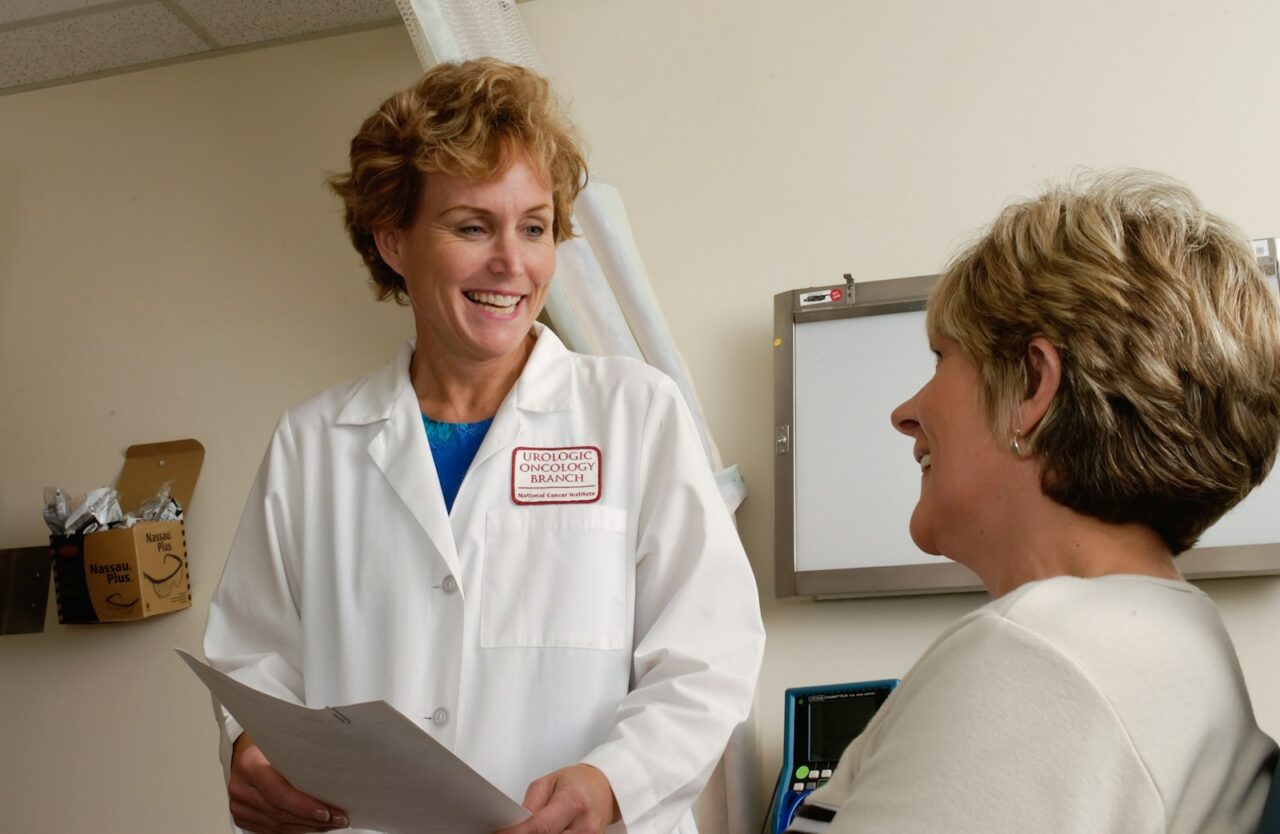
Preventive care is one of the most effective ways to stay healthy, yet many women are unsure which checkups they need and when. This guide walks through the common screenings and wellness topics by decade so you can have more informed conversations with your doctor. For everyday routines, see our healthy habits guide for everyday wellbeing.
Why Age-Based Checkups Matter
Many health conditions develop quietly, without obvious symptoms in their early stages. Regular screenings help catch issues like high blood pressure, certain cancers, or bone loss early, when they are often easier to manage.
Keep in mind that screening guidelines differ between countries and are updated over time. Your personal and family history may also mean you need certain tests earlier or more often. This article is general educational information, so always consult a qualified healthcare professional to build a screening plan that fits you.
Checkups That Matter at Every Age
Some health basics apply no matter how old you are. A regular wellness visit is a good time to cover them. Do not forget your teeth, either; our daily dental care habits guide covers the essentials.
- Blood pressure: Checked at routine visits, since high blood pressure often has no symptoms.
- Weight and lifestyle review: Diet, physical activity, sleep, alcohol, and smoking habits.
- Mental health: Screening for depression, anxiety, and stress is part of good preventive care.
- Vaccinations: Staying up to date with recommended vaccines, such as the annual flu shot and tetanus boosters.
- Dental and eye exams: Regular dental visits and periodic vision checks.
- Skin awareness: Noticing new or changing moles and mentioning them to your doctor.
Your 20s and 30s: Building a Healthy Baseline
These decades are about establishing good habits and a relationship with a trusted primary care provider or gynecologist. Having baseline numbers on record makes it easier to spot changes later.
Common topics to discuss
- Cervical screening: Many guidelines start Pap tests and/or HPV testing in the twenties, repeated at intervals your doctor recommends.
- Sexual and reproductive health: Contraception, STI testing when appropriate, and preconception planning if you hope to become pregnant.
- HPV vaccination: If you were not vaccinated earlier, ask whether catch-up vaccination is right for you.
- Cholesterol and blood sugar: Your doctor may check these based on your risk factors.
- Breast awareness: Knowing how your breasts normally look and feel, and reporting changes promptly.
Your 40s: Increasing Attention to Screenings
The forties often bring new screening conversations, along with the early stages of perimenopause for many women. It is a good decade to review your family history in detail.
- Mammograms: Depending on your country and risk factors, breast cancer screening commonly begins somewhere in the 40s or around 50. Discuss the right starting point with your doctor.
- Colorectal screening: Some guidelines, including in the United States, now recommend starting at 45 for people at average risk.
- Diabetes and cholesterol: Regular checks become more important, especially if you have risk factors such as excess weight or a family history.
- Perimenopause symptoms: Irregular periods, sleep changes, or mood shifts are worth discussing rather than ignoring.
Your 50s and 60s: Prevention Through Midlife
Menopause typically occurs around this stage, bringing changes that affect heart and bone health. Screenings tend to become more regular.
- Breast and colorectal screening: Continued at intervals your doctor recommends.
- Bone density: Many guidelines recommend a bone density scan at 65, or earlier for women with risk factors for osteoporosis.
- Heart health: Blood pressure, cholesterol, and blood sugar monitoring take on greater importance after menopause.
- Vaccines: Ask about shingles and pneumococcal vaccines when you reach the recommended age.
65 and Beyond: Staying Strong and Independent
Later decades focus on maintaining mobility, independence, and quality of life. Some screenings may change or stop based on your health history, so decisions become more individual.
- Fall risk and balance: Discuss strength, balance, and medication side effects that may affect stability.
- Hearing and vision: Regular checks support safety and social connection.
- Memory and cognition: Mention any concerns about memory to your doctor early.
- Medication review: A periodic review helps avoid unnecessary prescriptions or interactions.
Quick Reference Table
| Age Range | Common Focus Areas |
|---|---|
| 20s–30s | Cervical screening, reproductive health, baseline blood pressure and labs |
| 40s | Mammogram discussion, colorectal screening from 45 in some countries, perimenopause |
| 50s–60s | Breast and colon screening, heart health, bone density at 65 or earlier if at risk |
| 65+ | Falls, hearing, vision, memory, medication review |
How to Get the Most From Your Appointments
A little preparation helps you make the most of limited appointment time. Write down your questions beforehand, bring a list of medications and supplements, and update your family health history. Data from wearables and health apps can add useful context too.
Keeping your own record of test dates and results also makes it easier to know when your next screening is due. For more preventive care guides, visit our health category or explore the full range of topics on TechMeshNews.com.
Wrapping Up
Your health needs evolve with every decade, and preventive checkups are a practical way to stay ahead of them. Use this guide as a starting point, then work with your healthcare provider to create a plan based on your age, history, and goals.
Frequently Asked Questions
How often should women have a general wellness checkup?
Many adults benefit from a yearly wellness visit, though your doctor may suggest a different schedule based on your age and health. Specific screenings each have their own recommended intervals.
Do I still need cervical screening after menopause?
Often yes, at least until a certain age set by local guidelines. Whether you can stop depends on your age, past results, and history, so ask your doctor.
Should I start screenings earlier if a close relative had cancer?
Possibly. A strong family history may mean earlier or more frequent screening, or genetic counseling. Share your family history with your doctor so they can advise you.








