
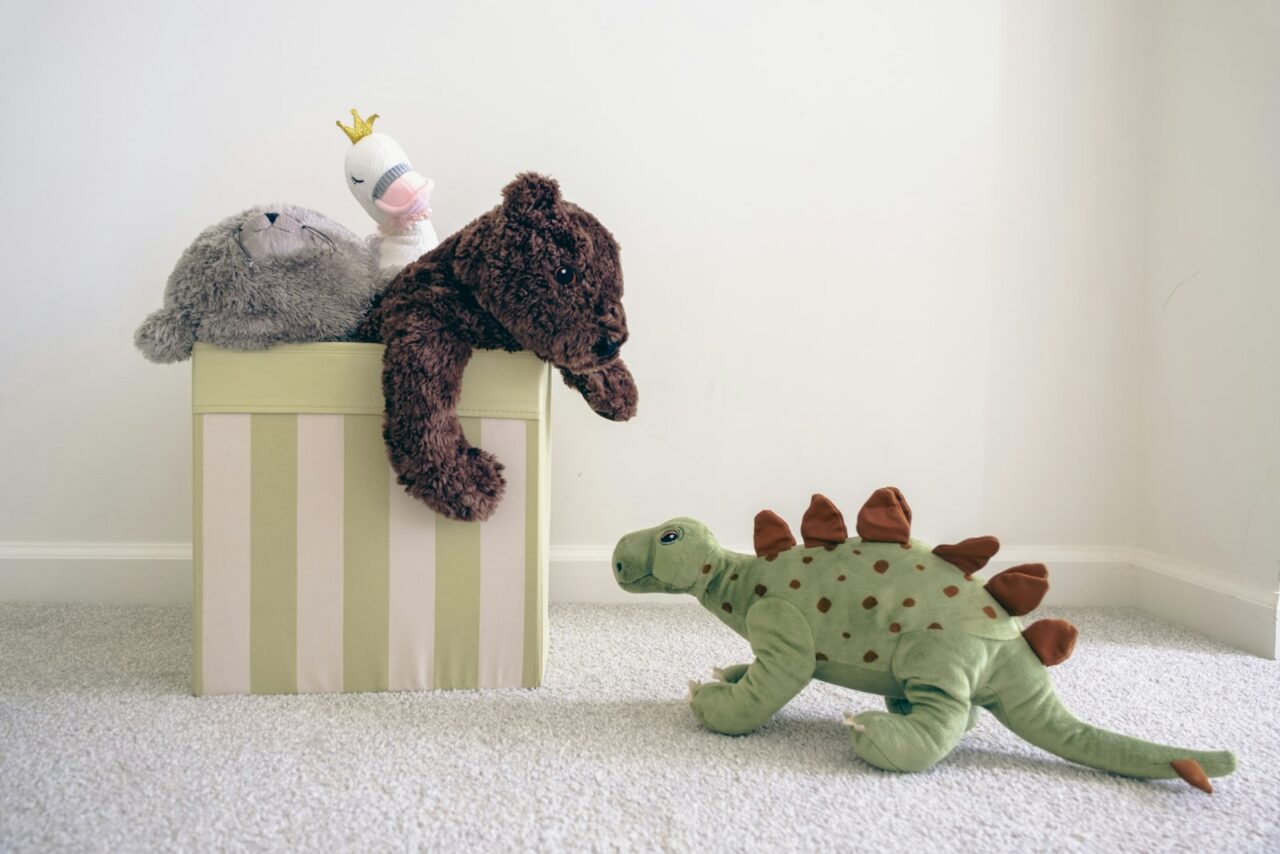
Jellycat plushies have moved from nursery shelves to collector displays, social feeds, and gift lists for adults. Here is why these soft toys became a genuine collecting phenomenon, and how to join in without overspending. For the bigger picture, see our guide to pop culture and collectibles.
From Baby Gifts to Grown-Up Collectibles
Jellycat began as a London-based soft toy brand known for gentle, slightly quirky designs aimed at babies and young children. Over time, its range expanded to include smiling vegetables, pastries, flowers, and everyday objects with tiny embroidered faces. Those playful designs caught the attention of teens and adults who saw them less as toys and more as cheerful decor.
The shift matters because adult collectors behave differently from parents. They buy for themselves, track which designs are leaving the catalog, and share their collections online. That turns a simple plush into a hobby with its own vocabulary and community.
What Makes Jellycat Different
Distinctive Texture and Quality
Many fans first notice the feel. Jellycat toys typically use very soft, dense plush fabrics and bean-filled or flat bases that let many of them sit upright. That combination makes them pleasant to hold and easy to display on a shelf or desk.
Whimsical, Unexpected Designs
A smiling croissant or a bashful avocado is not what most people expect from a stuffed toy. The humor is gentle rather than ironic, which gives the range broad appeal across ages. Each design feels like a small joke that the owner is in on.
A Rotating Catalog
Jellycat regularly introduces new characters and retires older ones. Retirement creates natural scarcity, and fans who missed a design often look for it on the secondhand market. This cycle is a core reason the brand feels collectible rather than simply giftable.
The Social Media Effect
Short-form video and photo platforms helped the craze spread quickly. Unboxing clips, shelf tours, and plush haul posts show off collections in a way that feels cozy and personal. Viewers spot a design they love and want to find it in real life. Many collectors have built followings this way, using the same steps creators use to build personal brands.
Some retailers have also created in-person experiences themed around the toys, such as pop-up shops styled like cafes or market stalls. These events are designed to be photographed, which feeds more content back into social feeds. If you follow how brands use tactics like this, our marketing coverage breaks down similar strategies.
Why Adults Connect With Plush Toys
Soft toys can offer comfort, nostalgia, and a sense of play that busy adult life sometimes lacks. A plush on a work desk is a low-cost way to add personality to a space. For many collectors, it is simply a small, reliable source of joy.
Collecting also offers structure. Choosing a theme, hunting for a specific character, and arranging a display are satisfying in the same way as collecting stamps, vinyl records, or trading cards. Fans of game franchises feel the same pull, as our guide to FNAF collectibles explains.
How to Start a Jellycat Collection Wisely
- Pick a theme. Focus on food characters, woodland animals, a single color palette, or one favorite line. A theme keeps purchases intentional.
- Buy from authorized retailers. Official stores and established gift shops are the safest source for genuine items.
- Set a monthly budget. Decide in advance what you are willing to spend so the hobby stays fun rather than stressful.
- Learn to spot fakes. Check tags, stitching, fabric quality, and seller reputation, especially for retired designs.
- Keep tags and receipts. Original tags matter to many collectors if you ever want to trade or resell.
New vs. Retired Pieces at a Glance
| Factor | Current Designs | Retired Designs |
|---|---|---|
| Where to buy | Authorized retailers | Resale marketplaces and trades |
| Counterfeit risk | Low from official sellers | Higher, so verify carefully |
| Pricing | Standard retail price | Varies with demand |
| Best for | New collectors | Experienced hunters |
Caring for Your Plush Collection
Display plush away from direct sunlight, which can fade colors over time. Dust them gently with a soft brush or lint roller. Always follow the care label before washing, since many pieces are recommended for surface cleaning only.
If you store items, use breathable bags or boxes rather than sealed plastic, and keep them somewhere cool and dry. Good care preserves both the look and any future trade value.
Is the Craze Here to Stay?
Trends rise and fall, but plush collecting has deep roots, from vintage teddy bears to the beanbag toy fads of past decades. What gives Jellycat staying power is that its toys are enjoyable even if resale interest cools. Buying what you genuinely love is the best protection against fading hype.
For more stories about fandoms, pop culture, and the trends shaping how we play, explore our entertainment section.
The Bottom Line
Jellycat became a collector craze through soft quality, playful designs, rotating releases, and the visual pull of social media. Start with a clear theme, buy from trusted sellers, and keep the focus on enjoyment rather than speculation. For more trend explainers like this one, keep reading TechMeshNews.com.
Frequently Asked Questions
Why do Jellycat toys get retired?
Like many toy brands, Jellycat refreshes its catalog to make room for new designs. Retired pieces stop being produced, which is why some become harder to find and more sought after by collectors.
Are Jellycat plushies suitable for babies?
Many designs are made with young children in mind, but always check the age guidance and safety labels on each product. Some items include small details intended for older kids or display.
How can I tell if a Jellycat is genuine?
Look for official sewn-in labels and hang tags, neat stitching, and consistent fabric quality. Buying from authorized retailers is the simplest way to avoid counterfeits.








