
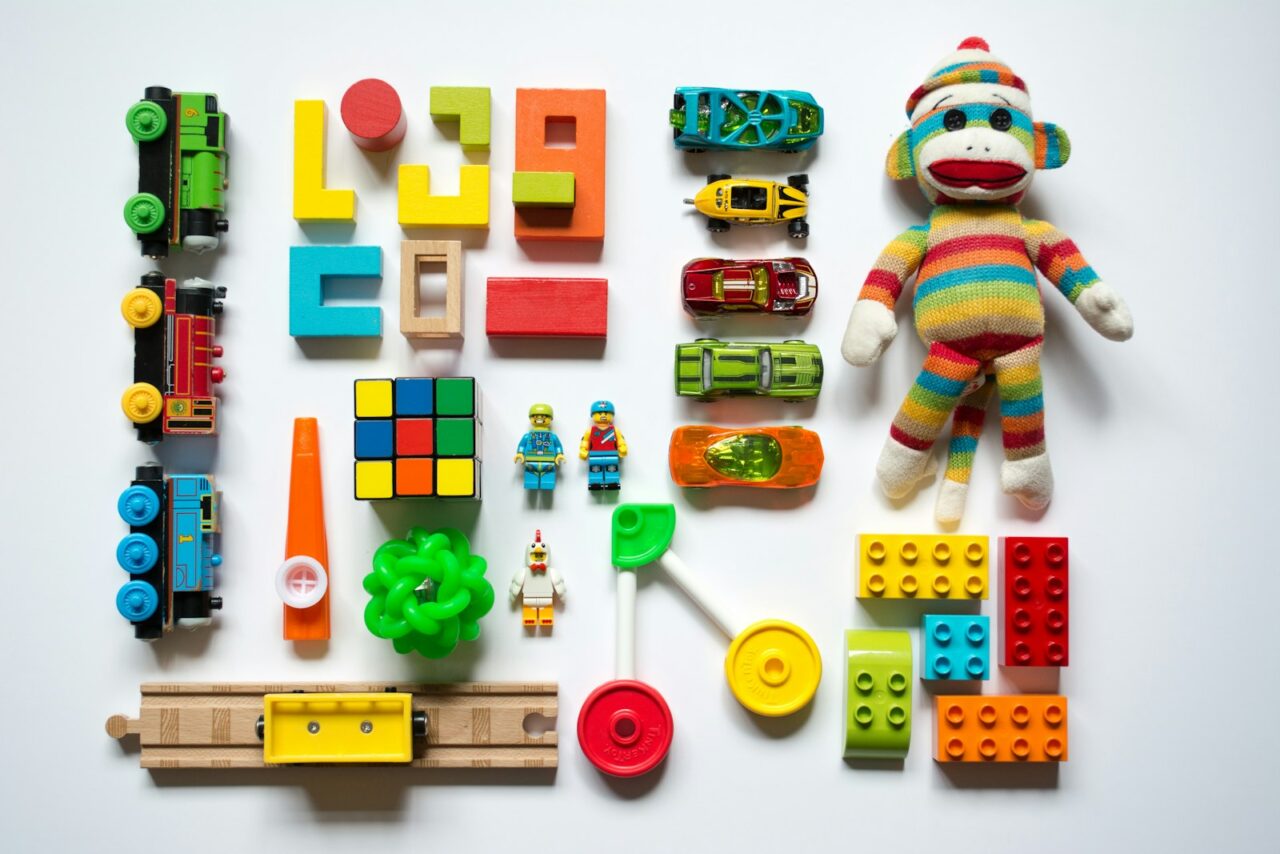
Pop culture moves fast, and the things people collect move with it. A plush vegetable, a figure from a horror video game or a toy spotted in a creator’s video can go from niche to sold out in a matter of weeks.
This guide explains why certain toys and collectibles catch fire, how creators and influencers shape those trends, and how parents and collectors can join in without overspending or ending up with a fake.
Key Takeaways
- Collectibles become popular through a mix of design, scarcity, storytelling and social sharing, not just marketing budgets.
- Creators and influencers drive many trends, so it helps to know when a recommendation is sponsored.
- Set a budget and a collecting goal before you start, especially for blind boxes and limited releases.
- Buy from authorized retailers or the brand directly when you can, and check packaging, labels and seller history.
- For children, safety labels and age grading matter more than rarity or resale value.
Why Pop Culture Collectibles Took Off
Collecting is not new. People have gathered trading cards, figures and plush toys for generations. What has changed is the speed and scale. Social feeds let a single design reach millions of people in a day, and online stores make it possible to buy almost anything from almost anywhere.
Several forces tend to work together when a collectible becomes a craze:
- Distinctive design. Characters with a clear silhouette or a funny twist are easy to recognize in a photo or a short video.
- Emotional connection. Nostalgia, comfort and fandom give people a reason to care beyond the object itself.
- Scarcity. Limited runs, retired designs and seasonal releases create a sense that you need to act now.
- Community. Fans trade tips, show off shelves and swap duplicates, which turns buying into a shared hobby.
None of these on its own guarantees a hit. But when they line up, a toy can cross over from the kids’ aisle into adult collecting culture.
Two Case Studies: Jellycat Plush and FNAF Collectibles
Two very different product categories show how this works in practice.
Jellycat: Soft Toys With Adult Appeal
Jellycat started as a soft toy brand associated with gentle, slightly quirky designs for young children. Its smiling foods, flowers and everyday objects found a second audience among teens and adults who treat them as cheerful decor and comfort items. A rotating catalog, where designs are introduced and later retired, gives fans a reason to track releases closely.
We explore the reasons behind that shift in more depth in our feature on why Jellycat plushies became a collector craze, including how unboxing videos and shelf tours helped the trend spread.
FNAF and Jazwares: Fandom Built on Lore
Five Nights at Freddy’s began as an indie horror game and grew into a franchise with books, films and a broad range of merchandise. Its animatronic characters have bold, memorable looks, and fans enjoy the layered story that theory videos keep picking apart. Licensed toy makers, including Jazwares, have been associated with FNAF collectibles, though specific ranges change over time.
If you are shopping for a fan, our guide to Jazwares FNAF toys and collectibles for fans and parents walks through plush, figures, building sets and blind packs, and explains what to look for on official packaging.
What the Two Have in Common
One brand is cozy and the other is spooky, yet both rely on recognizable characters, a sense of collecting a set, and a large online community. That pattern repeats across many pop culture products, from anime figures to designer vinyl toys.
How Creators and Influencers Shape Trends
Many collecting trends now start or accelerate on video platforms. Unboxing clips, hauls, room tours and reaction videos let viewers see a product in a real setting, which can feel more trustworthy than a traditional advert.
Creators build that trust over time by being consistent and relatable. Our article on how influencers and creators build personal brands that last explains why audiences follow people, not just products, and why that loyalty makes creator recommendations so powerful.
Spotting Sponsored Recommendations
Brands often pay creators, send free products or offer affiliate commissions. That is normal and legal, but it should be disclosed. In the United States, the Federal Trade Commission publishes guidance on endorsements and influencer disclosures, which you can find at FTC.gov. Look for labels such as paid partnership, ad, sponsored or gifted, and notice whether a creator mentions any downsides.
A sponsored video can still be honest and useful. The point is to weigh it as one input, not the final word.
Inflated Popularity Signals
Big view counts and follower numbers do not always mean genuine demand. Some accounts inflate their reach, which can make a product look hotter than it is. Our explainer on whether buying followers is worth it covers why those numbers can mislead. For a broader view of how brands plan campaigns around creators, see our complete guide to digital marketing for small business.
How to Follow Pop Culture Trends Wisely
Staying current is fun, but trend-chasing can drain your wallet and your attention. A few habits help you enjoy the hype without being swept along by it.
- Wait a little. Many restocks follow initial sellouts. A short pause can save you from paying inflated resale prices.
- Follow a mix of sources. Combine official brand channels, fan communities and independent reviewers rather than relying on one creator.
- Separate fandom from FOMO. Ask whether you love the item or simply fear missing out.
- Manage your feed. Endless haul videos can make constant buying feel normal. Our tips on managing your screen time can help you keep scrolling in check.
Trends also cycle. Something everyone wants this season may be easy to find later. Collect what you genuinely enjoy, and the resale market matters much less.
Buying Tips for Parents
Parents often meet a collecting trend when a child comes home asking for the toy everyone at school has. A calm, practical approach goes a long way.
Put Safety First
Check the age grading on the packaging and follow it, especially for products with small parts, magnets, button batteries or long cords. Plush toys for younger children should have secure seams and firmly attached eyes and noses. The U.S. Consumer Product Safety Commission lists toy safety information and recalls at CPSC.gov, and other countries have similar consumer safety agencies.
Check Content Fit
Some popular franchises, including horror-themed games, are aimed at older audiences even when the toys look cute. Look into the source material and decide what feels right for your child’s age and temperament.
Set Limits on Surprise Products
Blind boxes and mystery packs are exciting, but the chase for a specific character can lead to repeat buying. Agree on a budget in advance, consider buying a known item instead, and encourage trading duplicates with friends.
Turn It Into a Learning Moment
Collecting can teach saving, planning and comparison shopping. Let older kids set aside money for a wanted item and research where to buy it safely.
Buying Tips for Collectors
Adult collectors often have different goals: display, completing a set or tracking a favorite line over time. These habits help you collect with intention.
- Define your focus. Pick a character, series or theme so you are not buying everything that appears.
- Keep a simple inventory. A spreadsheet or notes app helps you avoid duplicates and track what you paid.
- Learn the official details. Study genuine tags, labels and packaging from trusted sources so you can spot inconsistencies.
- Store items properly. Keep collectibles away from direct sunlight, damp and dust to protect colors and fabrics.
- Be realistic about value. Resale prices can rise and fall quickly. Treat collecting as a hobby, not an investment strategy.
Here is a quick comparison of common collectible types and what to consider for each.
| Collectible Type | Typical Appeal | What to Check Before Buying |
|---|---|---|
| Plush toys | Comfort, decor, gifting | Sewn-in brand tag, stitching quality, age label |
| Action figures | Display and posing | Licensing marks, paint quality, small parts warnings |
| Blind boxes and mini figures | Surprise and trading | Sealed packaging, total set size, your budget limit |
| Building sets | Hands-on creativity | Piece count, instructions, brand authenticity |
| Limited or retired items | Scarcity and completing a set | Seller history, original photos, return policy |
How to Avoid Counterfeit Toys and Collectibles
Whenever a product becomes popular, counterfeits follow. Fakes are disappointing for collectors, and for children they can be a genuine safety concern because they may not meet safety standards.
Warning Signs
- A price that seems far below what authorized retailers charge.
- Misspelled brand names, blurry logos or unusual fonts on tags and boxes.
- Missing manufacturer details, safety markings or age warnings.
- Uneven stitching, odd colors, strong chemical smells or loose parts.
- Sellers who use only stock images and will not share photos of the actual item.
- New accounts with few reviews, or pressure to pay outside the platform.
Safer Ways to Buy
- Start with the brand’s official store or its list of authorized retailers.
- On marketplaces, review seller ratings and read recent feedback, not just the overall score.
- Use payment methods with buyer protection and avoid direct bank transfers to strangers.
- Compare the item against photos of genuine products from official sources.
- Keep receipts and screenshots in case you need to request a refund or report a seller.
If you think you bought a counterfeit, report it to the marketplace and the brand, and contact your payment provider. Shopping scams can also involve fake websites that collect personal data, so the privacy habits in our guide to AI ethics and privacy for everyday users are worth reviewing too.
Building a Healthy Relationship With Collecting
Collecting should add joy, not stress or debt. Many enthusiasts find the hobby most rewarding when it connects them with other people: trading at meetups, sharing display ideas or helping newcomers learn the ropes.
Notice when a hobby starts to feel compulsive. Signs include buying to cope with boredom, hiding purchases or regularly spending more than you planned. Stepping back from haul content, unsubscribing from drop alerts and setting a monthly limit are all simple ways to reset.
Display what you own, rotate items on your shelf and take time to enjoy them. A smaller, loved collection is often more satisfying than a large one bought in a rush.
Wrapping Up
Pop culture collectibles thrive on design, story, scarcity and community, and creators amplify all four. Whether you are a parent responding to a playground trend or a collector chasing a favorite series, the same principles apply: know why you want something, check who is recommending it, buy from trustworthy sources and put safety ahead of rarity.
Explore more stories on toys, gaming, streaming and the creator economy in our Entertainment section, or browse the latest guides across every topic at TechMeshNews.com.
Frequently Asked Questions
Why do some toys suddenly become collector crazes?
Usually several factors line up at once: a memorable design, an emotional hook such as nostalgia or fandom, limited availability and a burst of social media attention. Creator videos often act as the spark that brings a product to a much wider audience.
How can I tell if a collectible is counterfeit?
Compare it with genuine examples from official sources. Check for accurate logos, sewn-in tags, manufacturer details and safety markings, and be wary of prices far below authorized retailers or sellers who will not share real photos.
Are blind boxes a good idea for kids?
They can be fun in moderation, but the surprise element can encourage repeat buying. Set a budget beforehand, check age grading for small parts, and consider trading duplicates or buying a specific item instead.
Should I treat collectibles as an investment?
It is safer not to. Resale values depend on changing trends and can drop as quickly as they rise. Collect items you genuinely enjoy, and view any future resale value as a bonus rather than a plan.








